An Overview of

Nepal

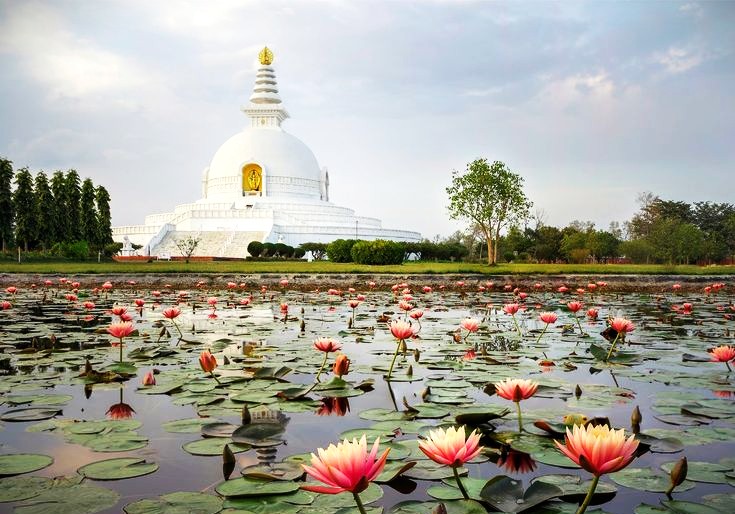
Nepal, officially the Federal Democratic Republic of Nepal, is a sovereign state located in South Asia. It is a landlocked country with an area of 147,181 square kilometers (56,827 sq miles). Nepal is the world’s 93rd largest country by land mass, with a population of approximately 30 million. It is located in the Himalayas and bordered to the north by the People’s Republic of China and to the south, east, and west by the Republic of India. Kathmandu is the nation’s capital and largest metropolis. Nepali is the national language, and the majority of the population can speak fair English. The mountainous north of Nepal has eight of the world’s ten tallest mountains, including the highest point on Earth, Mount Everest.

Our Culture

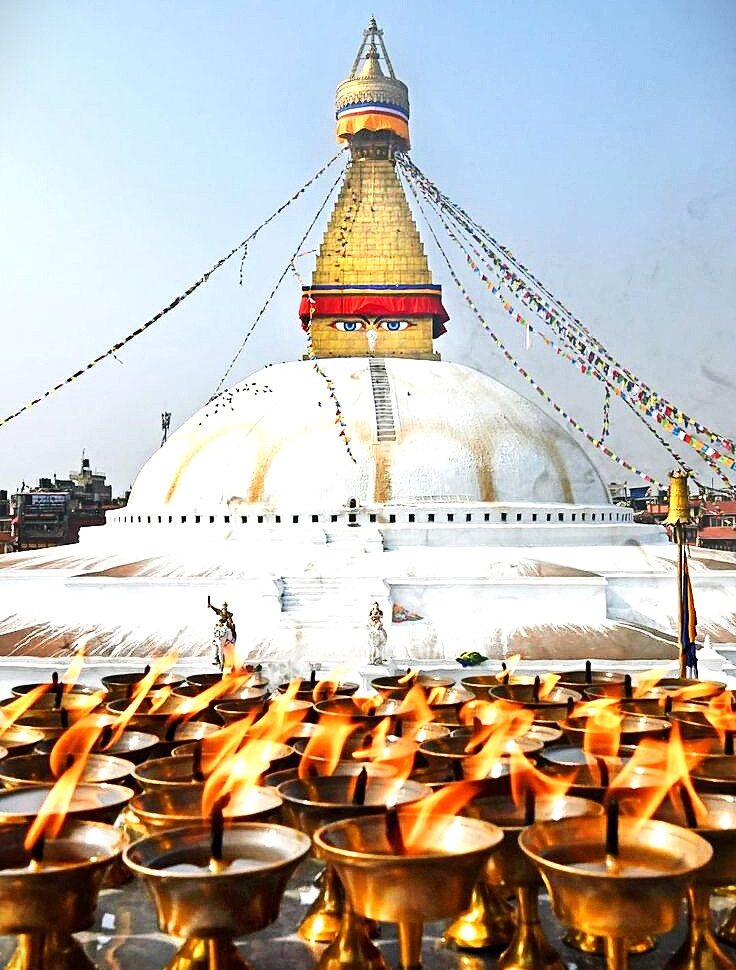
Nepal is a culturally diverse country in South Asia, home to many ethnic groups, languages, and traditions. Hinduism is the majority religion, while Buddhism is the second-largest, and both have coexisted peacefully for centuries. Nepal is also the birthplace of Gautama Buddha, who was born in Lumbini.

Nepalese society places strong emphasis on respect for elders and authority, discipline, responsibility, and close family ties. These cultural values encourage sincerity, teamwork, and dedication, qualities that support Nepalese workers in professional environments.

Why Human
Resource from
Nepal

As Nepal is a hilly country, people here are adapted to work and live in rugged topography which has made them strong and with utterly high enduring capacity. Many Nepali people work in agriculture, which is the backbone of the country’s economy, and often involves long hours and physically demanding labor. Nepal is situated between two economical giants India and China with different cultures and backgrounds. This exposure also has added adaptability and perseverance to the personality traits of Nepalese.

Honesty, sincerity, diligence, hard work and devotion are the ancestral identity which the Nepalese people still bear it by their heart. Nepalese people are known all over the world for their dedication to their work and their ability to adapt to changing circumstances. Owing to the unprecedented dedication to work and honesty, many foreign employers have paid their attention to Nepalese workers.

Major traits of
Nepalese workforce:

  • They have strong sense of loyalty, sincerity and devotion
    to their duty.
  • They possess extreme sense of responsibility, discipline
    and work ethics.
  • They can adopt to extreme climatic conditions.
  • They are cultured to work hard and rich in
    harmonious behavior.
  • Majority of Nepalese can speak fair English

In addition to these strengths, Nepalese workers highly value respect, discipline, and responsibility-qualities that closely align with structured and quality-focused work environments. They are quick learners who understand the importance of following rules, maintaining punctuality, and working efficiently as part of a team. With proper guidance and training, Nepalese workers consistently demonstrate loyalty, long-term commitment, and a sincere attitude toward their assigned duties. Their willingness to improve and adapt makes them reliable partners for international employers seeking stability, productivity, and mutual trust.